

10 Best 4K UHD Movies to show off your home cinema
Looking for films that make a 4K screen feel worth it? These are my picks for detail, colour, contrast and those scenes that make you want to pause, rewind and take another look.

A great home cinema doesn’t need a test pattern to show what it can do. The right film can make you notice fine textures, deep shadows, bright highlights and colours that feel wonderfully alive. These are ten movies I’d reach for when I want to enjoy both the filmmaking and the picture on screen.
I’ve focused on video here. A few also have impressive Dolby Atmos sound, but that deserves its own list. Where possible, look for the 4K UHD disc: the HDR format and presentation can differ between releases and streaming services, so check the edition before buying.
1. Blade Runner 2049 (2017)
If I had to pick one film to demonstrate how carefully composed images can fill a screen, Blade Runner 2049 would be near the top of my list. Its hazy orange desert, electric blues and pinks, and monumental cityscapes give the film a striking visual identity. The 4K presentation makes the scale and texture of those images a pleasure to explore.
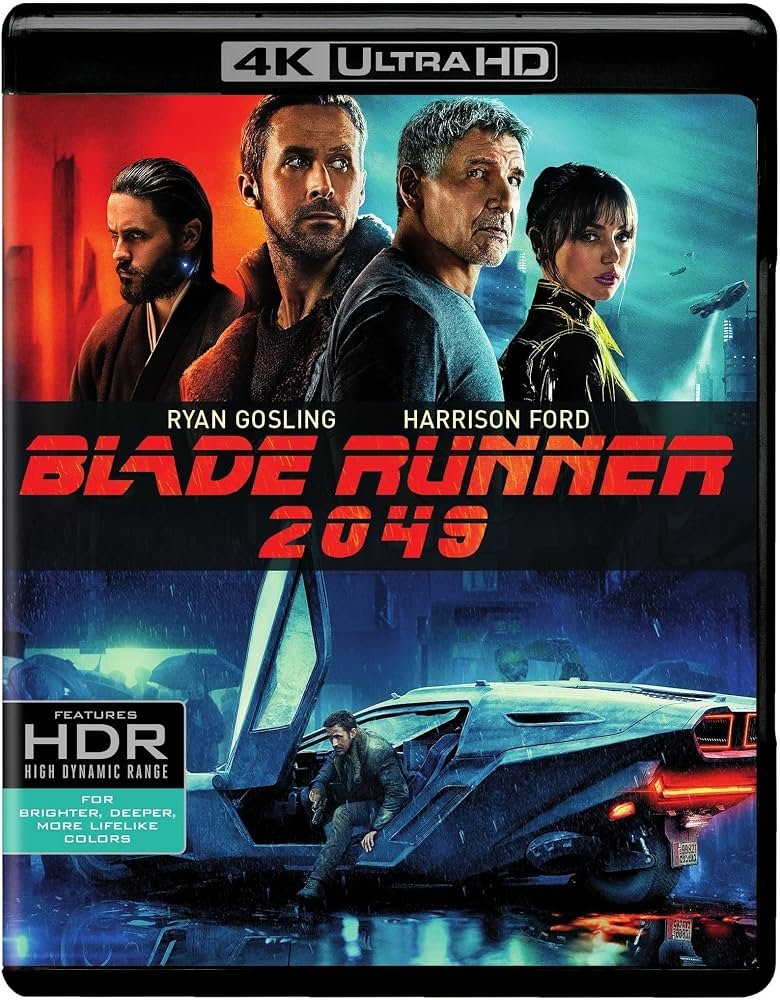
Look out for: the orange dust storm and the scenes in the vast, shadowy interior of the Wallace Corporation. They’re a lovely test of colour, contrast and subtle detail.
2. Top Gun: Maverick (2022)
The aerial photography in Top Gun: Maverick has a physicality that really suits a big screen. The planes, pilots and cockpit details are crisp, while bright sky and sunlit cloud give the image plenty of energy. The 4K UHD release includes Dolby Vision and HDR10; the film also shifts aspect ratio for some sequences, giving the image extra height.

Look out for: the training runs and final mission. Watch the changes in light across the aircraft as they turn through the sky. The Atmos soundtrack is a bonus, but the photography is the main event here.
3. Dune: Part Two (2024)
Denis Villeneuve’s Dune: Part Two moves between sun-bleached desert, cool interiors and nighttime scenes. That range makes it a rewarding film to watch on a display that can handle both bright highlights and shadow detail. The UHD edition is listed with HDR10, so check the specific edition if Dolby Vision is essential to you.

Look out for: the Fremen riding the sandworms and the scenes in the arena. The contrast between open desert light and richly coloured interiors gives the film a lot of visual variety. Its Atmos mix is excellent too, though I’ll save the deeper sound discussion for another time.
4. Interstellar (2014)
Interstellar is a wonderful film to revisit on a large screen. Its images move from the familiar textures of Earth to the vastness of space, with striking contrasts between bright stars, deep black and the glowing surfaces of distant worlds. The 4K presentation makes those shifts in scale a pleasure to take in.
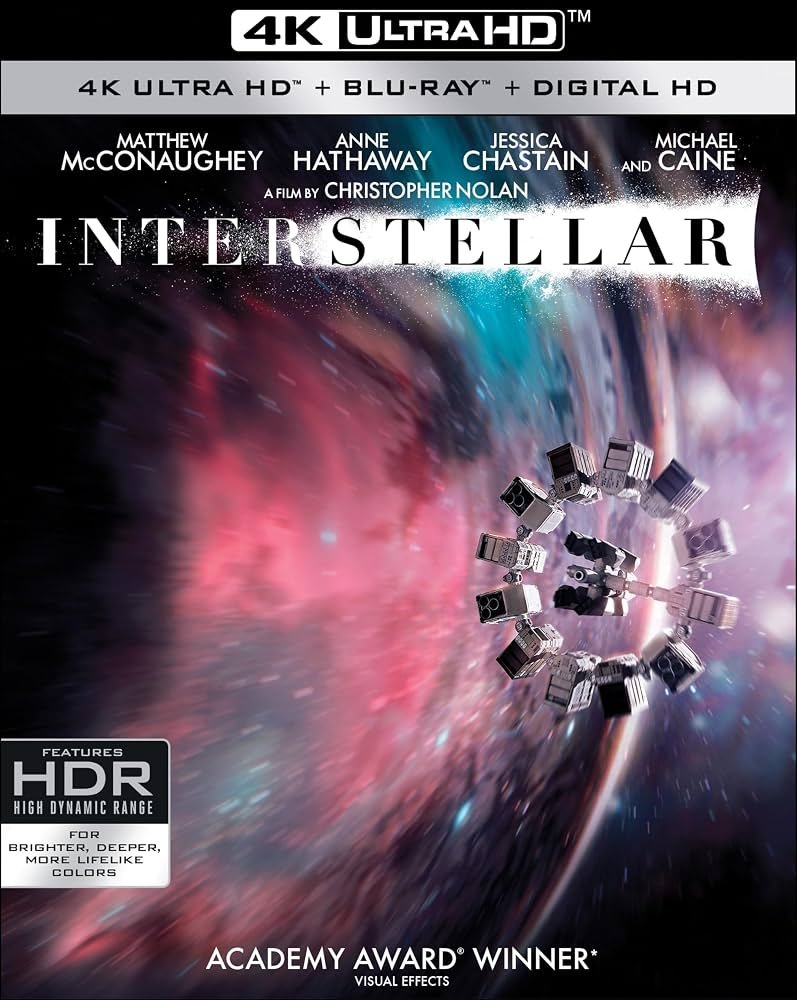
Look out for: the scenes around the black hole and the planet covered in water. They’re memorable showcases for space, light and scale—and the film’s score and Atmos soundtrack add to the sense of being drawn into the journey.
5. The Batman (2022)
A lot of The Batman takes place at night, which makes it a good film for checking how your display handles dark scenes. The aim isn’t to make every shadow bright; it’s to preserve atmosphere while keeping important detail visible. Rain, reflections and the warm glow of practical lights add texture to Gotham’s darkness.
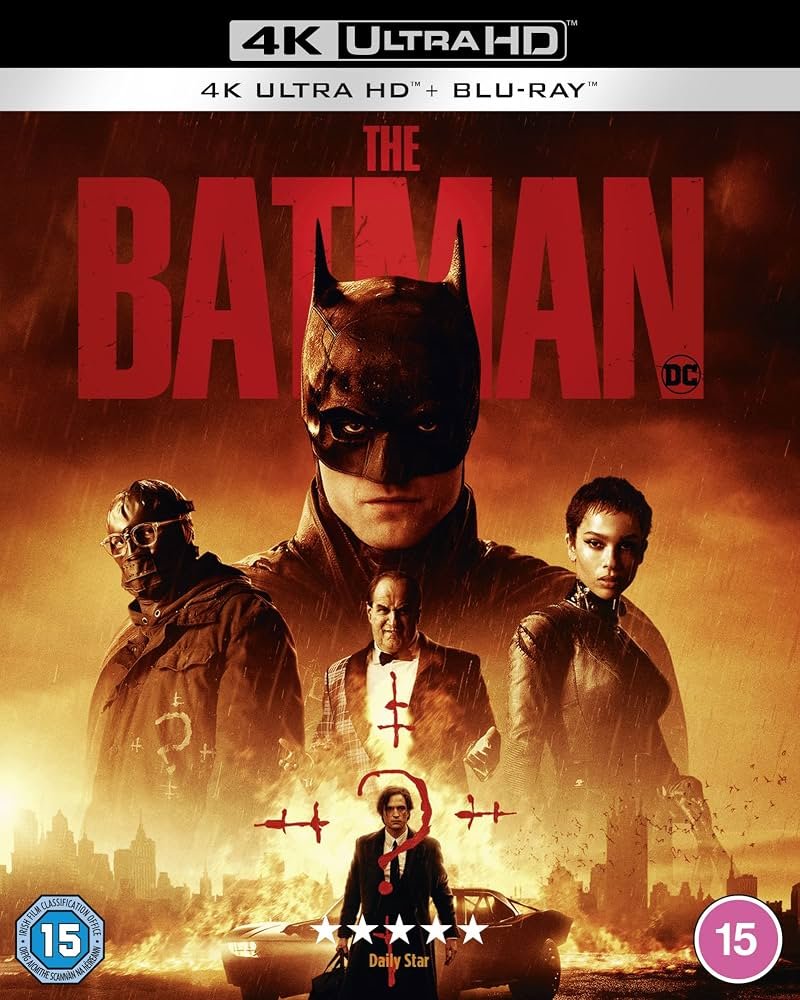
Look out for: the opening scenes in the city and the Batmobile chase. Notice how the image moves between deep blacks, wet reflections and sudden flashes of light. If shadows look like a solid block on your screen, check your room lighting and picture settings before changing the film’s intended look.
6. Mad Max: Fury Road (2015)
Fury Road is a feast of motion, dust and colour. The sunlit desert gives the film a bold, warm palette, while the vehicles and costumes are packed with grit and weathered detail. It’s a useful reminder that a strong home cinema image isn’t only about darkness and bright highlights; it’s also about keeping a fast, busy picture clear and engaging.

Look out for: the War Rig convoy and the storm sequence. There’s so much happening in the frame that it rewards both a first watch and a second, closer look.
7. The Revenant (2015)
The Revenant has a natural, wintry look that rewards a good display without relying on bright, saturated colour. Its landscapes, snow and weather have a remarkable sense of scale, while close-ups draw attention to skin, fabric and the natural light around the actors.
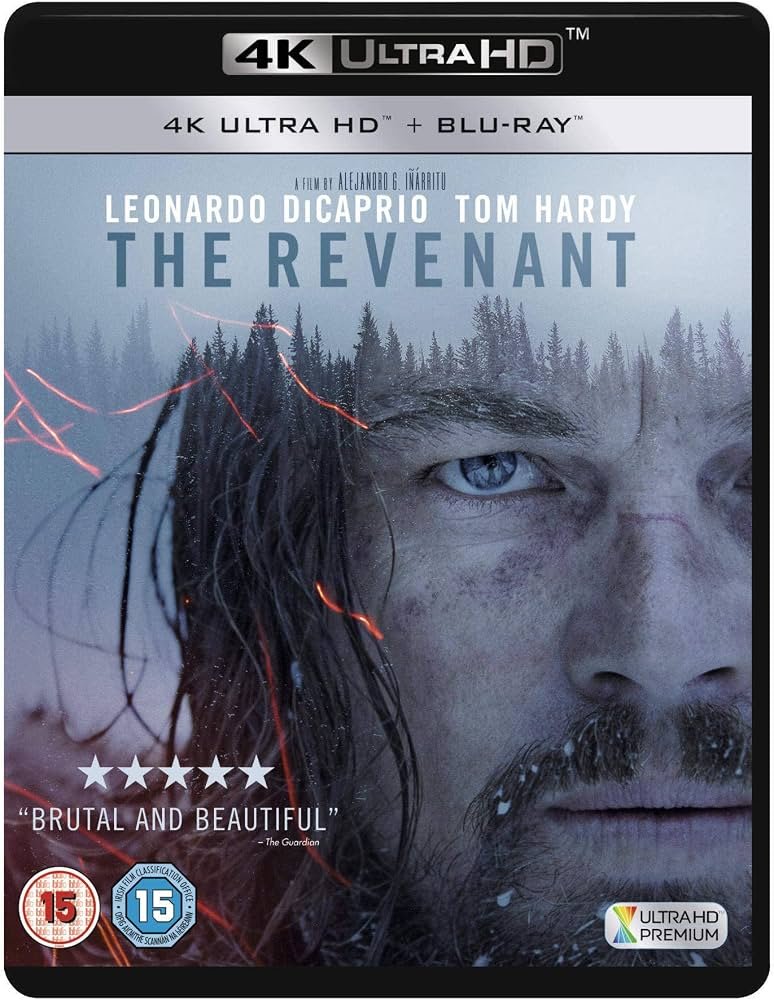
Look out for: the snowy forest scenes and the river sequences. Pay attention to the fine gradations in pale skies and snow, where a well-set-up display can reveal subtle changes rather than flattening everything into white.
8. 1917 (2019)
The apparent continuous-shot style of 1917 turns the camera’s movement into part of the experience. You travel through trenches, open fields, ruined buildings and darkness with the characters, so the changing environments keep the picture interesting from scene to scene.
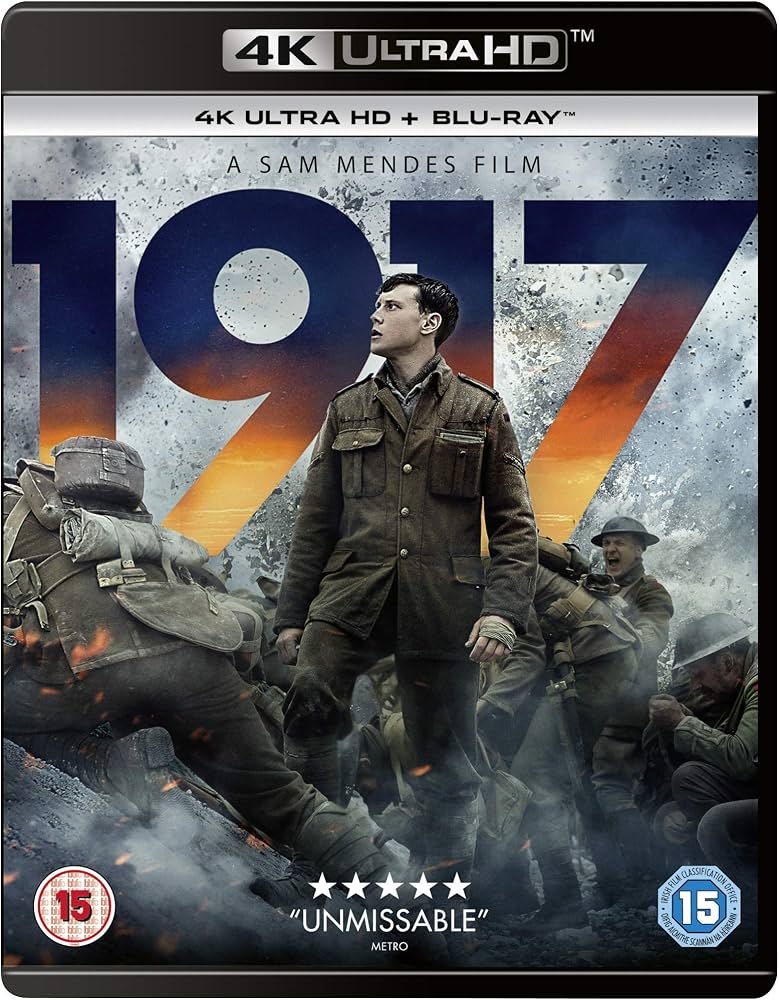
Look out for: the nighttime sequence in the ruined town, where flares briefly light the scene, and the open landscapes that follow. It’s a strong showcase for changes in brightness and shadow.
9. Lawrence of Arabia (1962)
A classic can be a wonderful home cinema showcase too. Lawrence of Arabia pairs sweeping desert vistas with carefully composed close-ups, and its 4K restoration lets the scale of the landscapes sit alongside the detail of the performances. It’s a reminder that film texture and visual character can be just as compelling as a pristine digital image.

Look out for: the desert horizons and the famous mirage sequence. The long, bright views are beautiful on a large screen, but the film’s quieter interior scenes are just as rewarding.
10. The Wild Robot (2024)
For something gentler, The Wild Robot brings a rich animated world to the screen. Its environments combine painterly backgrounds with detailed character animation, and the colour shifts with the seasons and mood of the story. It’s a lovely choice when you want to show off colour and image texture without reaching for another action spectacle.

Look out for: the forest scenes, especially when the light filters through the trees. The film’s layered backgrounds and warm, changing palette make it a pleasure to take in.
A few things to notice while you watch
Try watching a scene you know well, then focus on one aspect of the picture at a time. Look at the texture of clothing and landscapes, the detail in darker areas, or the way bright highlights sit against a dark background. That makes it easier to enjoy what your system is doing without turning movie night into a technical inspection.
Also, remember that a film’s look is an artistic choice. Some are deliberately grainy, soft, dark or highly stylised. A good home cinema should help you see those choices clearly, rather than making every film look the same.
If you’re choosing one title to start with, I’d pick Blade Runner 2049 for colour and atmosphere, Top Gun: Maverick for clarity and scale, or The Batman to see how your display handles a moody, shadow-heavy image.